Equipment Pad Contractors in Kansas City
Precision concrete pads for HVAC, generators, compressors, and manufacturing equipment — with vibration isolation, anchor bolt templates, and engineered subgrade.
What Makes an Equipment Pad Different From a Standard Concrete Slab?
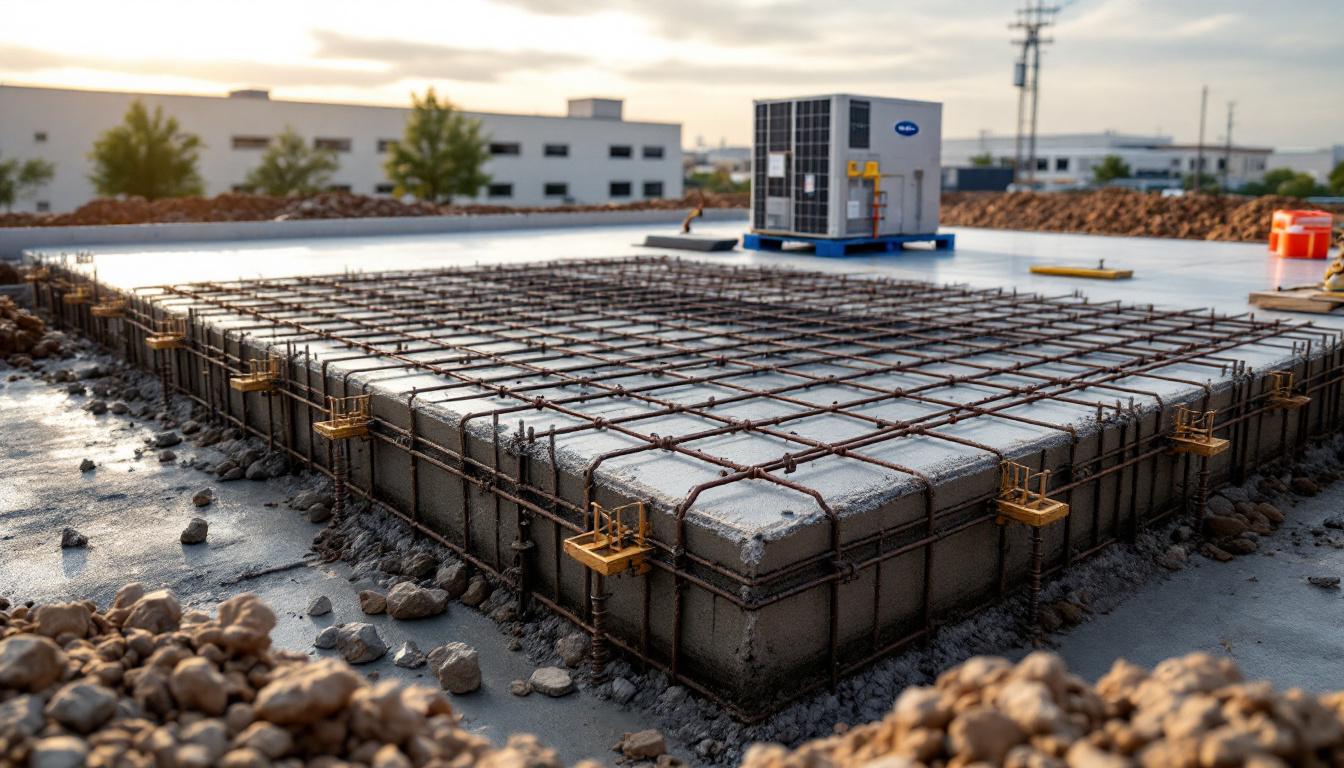
An equipment pad is not a flat slab with some bolts sticking out of it. It is an engineered foundation designed to support a specific piece of equipment at precise bolt locations, absorb or isolate the vibration that equipment produces, and resist the static and dynamic loads that equipment generates during operation. Standard slabs are designed for uniform floor loads measured in pounds per square foot. Equipment pads are designed for concentrated point loads measured in thousands of pounds at each anchor bolt, plus dynamic forces from rotating shafts, reciprocating pistons, and startup torque that can exceed steady-state operating loads by three to five times.
Vibration Isolation and Inertia Blocks
Rotating and reciprocating equipment transmits vibration into the concrete pad beneath it. Without isolation, that vibration travels through the slab and into the building structure, causing noise complaints, resonance in piping systems, and long-term fatigue damage to structural connections. Inertia blocks solve this problem through mass — a concrete pad weighing two to five times the operating weight of the equipment absorbs vibration energy before it can propagate. The inertia block is separated from the surrounding building slab by a continuous isolation joint, typically a one-inch gap filled with compressible filler material that breaks the rigid concrete-to-concrete contact path. Spring isolators or neoprene pads between the equipment and the inertia block provide additional damping.
Anchor Bolt Precision and Template Setting
Anchor bolt placement is the most tolerance-critical element of equipment pad construction. The equipment manufacturer specifies a bolt pattern — four, six, eight, or more bolts at precise X-Y coordinates relative to the equipment centerline. Each bolt must land within plus or minus one-eighth inch of its specified location. Kansas City Concrete Contractors sets anchor bolts using metal templates fabricated to match the manufacturer's bolt pattern drawings. The template is mounted in the formwork, leveled with a precision instrument, and braced rigidly so that concrete vibration during the pour cannot shift bolt positions. After concrete reaches initial set, we verify every bolt location against the equipment drawings before releasing the pad for equipment installation.
Load-Specific Engineering
Every equipment pad we pour in the Kansas City metro starts with the equipment manufacturer's installation manual. That document specifies minimum pad dimensions, thickness, concrete strength, anchor bolt patterns, and maximum allowable deflection. From there, the pad is engineered for the specific site conditions — soil bearing capacity on KC's Wymore CH clay, frost depth of 30 to 36 inches, and vibration requirements for the building type. A pad that supports a 2,000-pound HVAC condenser is a fundamentally different structure than one supporting a 40,000-pound manufacturing compressor with reciprocating vibration. We design and build both.
What Happens When Equipment Pads Are Poured Without Proper Engineering?
Equipment pads look simple — a flat concrete slab with some bolts sticking out. But when a 20,000-pound generator starts running on a pad that was poured too thin, on uncompacted KC clay, with anchor bolts set by hand instead of template, the problems start immediately. Vibration transmits through the slab into the building structure. Anchor bolts are off-pattern and the equipment installer spends two days drilling new holes and designing field fixes. The pad settles unevenly because the Wymore clay beneath it was never compacted, and the equipment develops alignment problems that void the manufacturer's warranty.
In Kansas City's industrial corridors — Lenexa, KCK, Olathe, Independence, and the I-70/I-35 interchange zone — these problems cost facility managers thousands in equipment downtime, warranty disputes, and structural vibration complaints. The root cause is always the same: the equipment pad was treated as a simple concrete pour instead of an engineered foundation.
Kansas City Concrete Contractors builds equipment pads as engineered foundations — not afterthought slabs. We start with the equipment manufacturer's installation specifications, design the pad for actual loads, prepare the subgrade with compacted structural fill, set anchor bolts using precision templates, and pour with vibration isolation joints where the pad meets the building structure.
Installing New HVAC, Generators, or Production Equipment? We Pour the Pad.
Send your equipment specs and manufacturer installation manual. We return a detailed pad design and quote.
What Types of Equipment Pads Do We Install?
HVAC Condensers
Rooftop and ground-level condenser pads with proper elevation, drainage slope, and isolation pads to prevent vibration transfer to the building structure.
Standby Generators
Reinforced generator pads with anchor bolt templates, fuel line sleeves, and electrical conduit stubs sized to the generator manufacturer's installation specs.
Manufacturing Machinery
Heavy-duty inertia blocks with two-way rebar mats, vibration isolation joints, and anchor patterns verified to plus or minus one-sixteenth inch for production equipment.
Air Compressors
Inertia-rated pads for reciprocating and rotary screw compressors. Isolation joints and spring mount provisions to dampen high-frequency vibration.
Transformer Pads
Utility-spec transformer pads with containment curbs for oil-filled units. Grounding provisions and cable trench connections per utility company requirements.
Pump Stations
Wet well and dry well pump foundations with vibration isolation, anchor bolt patterns, and piping penetration sleeves for water, wastewater, and industrial pump installations.
How Do Vibration Isolation and Inertia Blocks Work?
Vibration from rotating and reciprocating equipment travels through rigid concrete paths. When an equipment pad is poured monolithically with the building slab — no isolation joint, no inertia mass — every revolution of the compressor shaft or every stroke of the reciprocating piston sends a pulse through the concrete and into every structural connection it touches. The result is noise complaints in occupied spaces, fatigue cracking at steel connections, and resonance in piping systems that can cause joint failures.
Inertia blocks interrupt this transfer path. The block's mass — typically two to five times the operating weight of the equipment — absorbs vibration energy through inertia before it can propagate beyond the pad. The continuous isolation joint around the block perimeter breaks the rigid concrete-to-concrete contact, creating a physical gap that vibration cannot bridge. Spring isolators or neoprene mounts between the equipment and the block provide the final layer of damping.
The sizing calculation depends on the equipment type. Rotating equipment (fans, centrifugal compressors, pumps) produces relatively smooth vibration that responds well to spring isolation and moderate inertia mass. Reciprocating equipment (piston compressors, stamping presses, diesel generators) produces sharp impact pulses that require heavier inertia blocks and stiffer isolation to prevent amplitude buildup. Kansas City Concrete Contractors works with the mechanical engineer to determine the correct inertia ratio, isolation joint width, and pad reinforcement for each installation.
Equipment Pad Specifications
Rotating Equipment
Fans, centrifugal compressors, pumps. Smooth vibration profile, spring isolation effective.
Reciprocating Equipment
Piston compressors, diesel generators, presses. Sharp pulses, heavy inertia blocks required.
Static Heavy Loads
Transformers, storage tanks, boilers. Mass-dominant, minimal vibration, settlement is primary concern.
How We Build Equipment Pads in Kansas City
Collect the equipment manufacturer's installation manual, anchor bolt pattern drawings, and vibration data. Review with the mechanical engineer to determine pad thickness, reinforcement, inertia block requirements, and isolation joint details. Verify subgrade bearing capacity against equipment static and dynamic loads.
Excavate to design depth, remove unsuitable native soil on Wymore clay sites, and replace with compacted structural fill. Compact in 8-inch lifts to 95% modified proctor verified by nuclear density gauge. Establish pad elevation and drainage slope per the equipment installation specs.
Set steel or heavy-gauge wood forms to pad dimensions. Install the metal anchor bolt template — fabricated to match the equipment manufacturer's bolt pattern — and brace it rigidly so concrete vibration cannot shift bolt positions during placement. Set isolation joint filler at the pad perimeter where it meets existing slabs or building structure.
Pour 4,000 to 5,000 psi air-entrained concrete, consolidate with internal vibrators around anchor bolts and rebar without disturbing bolt template positions. Finish to the surface tolerance specified by the equipment manufacturer. Apply curing compound or wet cure per project requirements.
After concrete reaches initial set, verify every anchor bolt position against the equipment drawings using tape, layout square, or total station for critical installations. Document bolt positions and pad elevation. Coordinate with the mechanical contractor for equipment setting and final connection.
Equipment Pad Cost Ranges in Kansas City
| Pad Type | Typical Range | Notes |
|---|---|---|
| Standard equipment pad | $8 – $18 / SF | 4-8" thick, light-medium loads |
| Generator pad (typical 6'x8') | $400 – $900 | 6-8" thick, reinforced, anchors |
| HVAC condenser pad | $200 – $600 | 4-6" thick, per unit |
| Heavy industrial inertia block | $18 – $30+ / SF | 10-16" thick, isolation joints |
| Transformer pad | $500 – $2,000 | Utility company specs, containment |
Equipment pad pricing depends on pad size, thickness, reinforcement, anchor bolt complexity, vibration isolation requirements, and site access. Multiple pads on the same project receive volume pricing. Call (816) 339-8133 with your equipment specs for a detailed quote.
Equipment Pad FAQs
Kansas City Concrete Contractors installs equipment pads for HVAC condensers and rooftop units, standby generators, air compressors, manufacturing machinery, dock levelers, transformer pads, pump stations, and any other equipment requiring a dedicated concrete support. Pad sizes range from 4-by-4-foot HVAC pads to 30-by-50-foot manufacturing equipment foundations with inertia blocks and vibration isolation joints. We serve KC's industrial corridors in Lenexa, KCK, Olathe, Independence, and across the I-70 and I-35 logistics zones.
Equipment pad thickness depends on the weight and dynamic loads of the equipment it supports. Standard HVAC condenser pads are typically 4 to 6 inches thick on compacted subgrade. Generator pads run 6 to 8 inches with reinforcing steel. Heavy manufacturing equipment and inertia blocks may require 10 to 16 inches or more, with two-way rebar mats and anchor bolt patterns designed by a structural engineer. The equipment manufacturer's installation manual specifies minimum pad dimensions and anchor bolt patterns — we verify these requirements before designing the formwork.
An inertia block is a massive concrete pad designed to absorb vibration energy from rotating or reciprocating equipment before it transmits to the building structure. The inertia block is typically 2 to 5 times the operating weight of the equipment it supports. A 5,000-pound compressor might sit on a 15,000-pound inertia block. The block is separated from the building slab by a continuous isolation joint — typically a 1-inch gap filled with compressible filler — that prevents vibration from traveling through the concrete into the structure.
Anchor bolt placement is the most tolerance-critical element of any equipment pad. We set anchor bolts using metal templates fabricated to match the equipment manufacturer's bolt pattern. The template is leveled and braced in the formwork before concrete placement, ensuring bolt locations hold within plus or minus one-eighth inch during the pour. After concrete cures, we verify bolt positions against the equipment drawings. A misplaced anchor bolt can delay equipment installation by weeks while an engineer designs a field fix — we prevent this by template-setting and verifying every bolt.
Yes. Many equipment pad projects are additions to existing buildings — new HVAC units, backup generators, or additional manufacturing equipment. We saw-cut and remove existing concrete where needed, prepare the subgrade, and pour the new pad with proper isolation joints where it meets the existing slab. On occupied buildings, we coordinate work hours, dust control, and access with the facility manager to minimize disruption. Generator pad additions often require utility trenching for electrical conduit and fuel lines, which we coordinate as part of the project scope.
Equipment pad costs in the KC metro typically range from $8 to $18 per square foot installed, depending on pad thickness, reinforcement, anchor bolt complexity, and site conditions. A standard 6-by-8-foot generator pad runs roughly $400 to $900. Large industrial inertia blocks with vibration isolation and heavy rebar can exceed $25 per square foot. Contact Kansas City Concrete Contractors at (816) 339-8133 for a quote on your specific equipment pad requirements.
Equipment Pad Installation Across the Kansas City Metro
Kansas City Concrete Contractors installs equipment pads for commercial and industrial facilities across both sides of the state line.
Explore More Commercial Concrete Services
Commercial Foundations Hub
All commercial foundation types: spread footings, mat slabs, grade beams, retaining walls, and dock foundations.
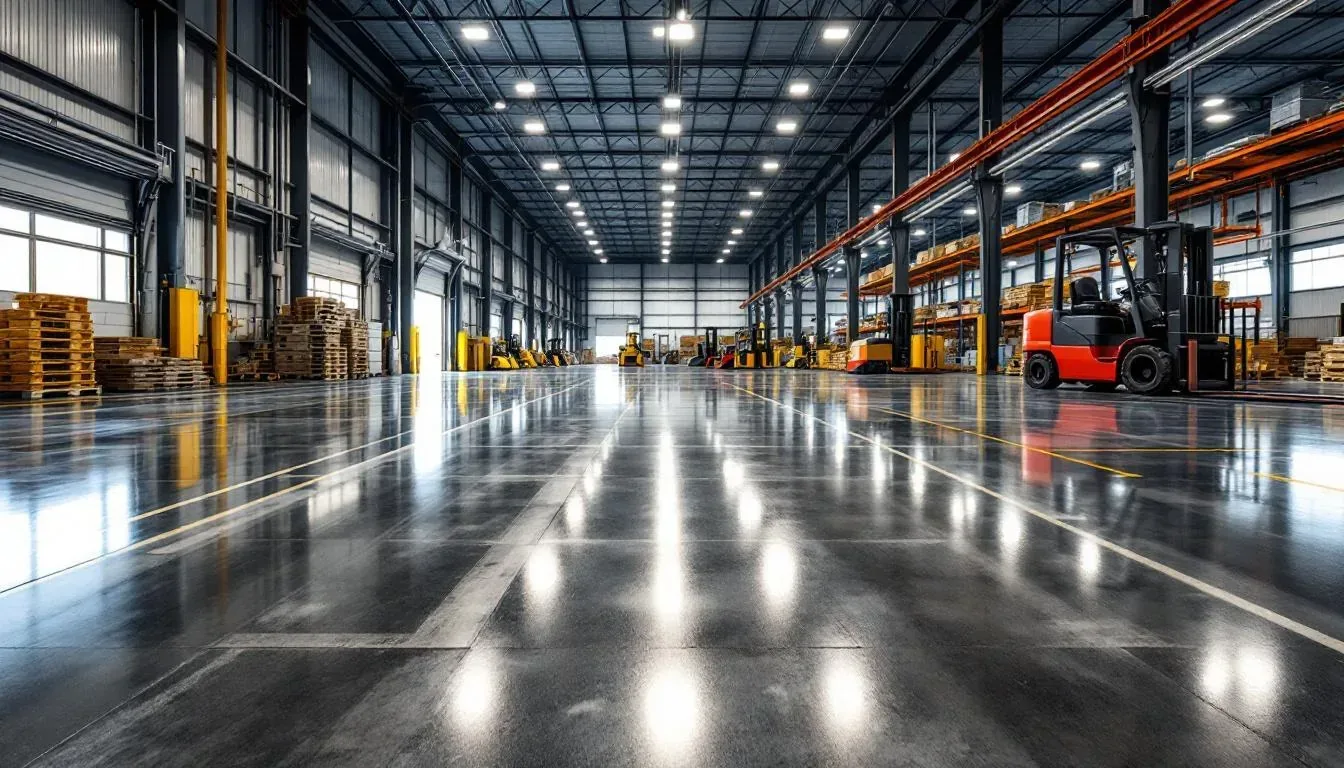
Warehouse & Industrial Floors
High-tolerance industrial slabs with FF/FL flatness specs for manufacturing and warehouse facilities.
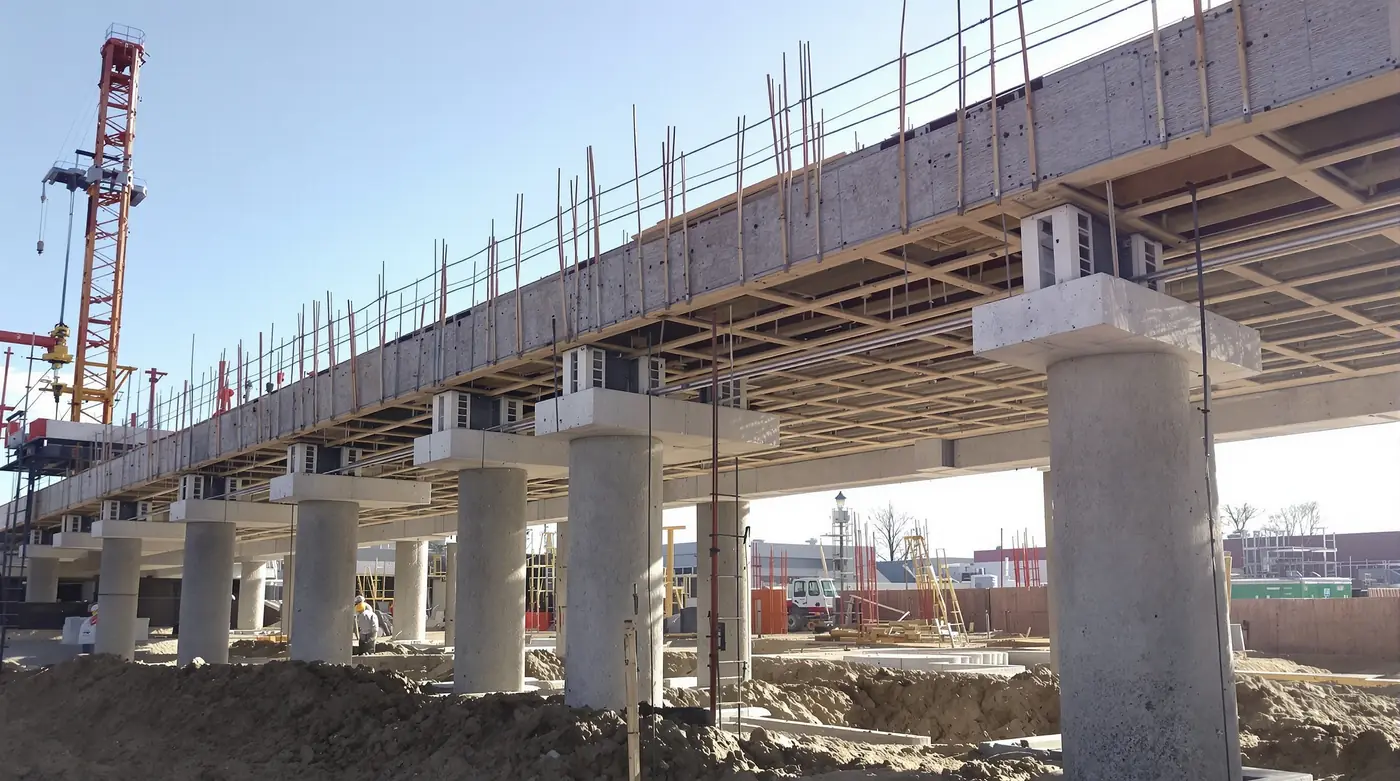
Grade Beams
Deep foundation grade beams spanning drilled piers for heavy structural loads on KC clay.
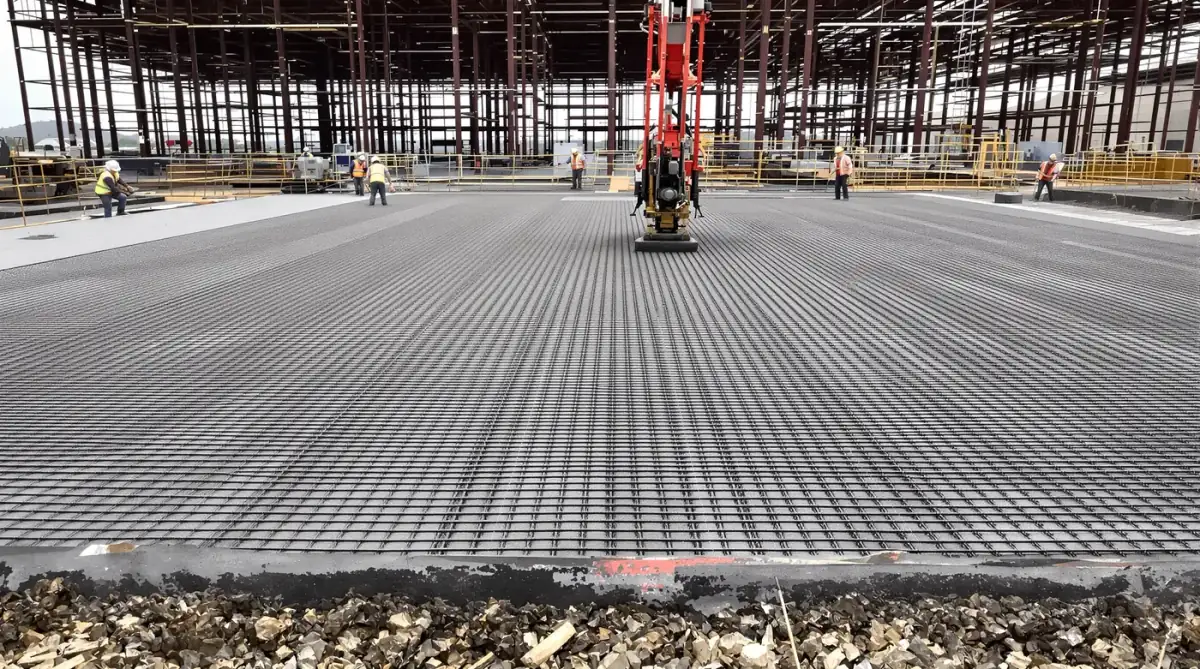
Mat Foundations
Full-footprint mat slabs distributing building loads across the entire foundation area.
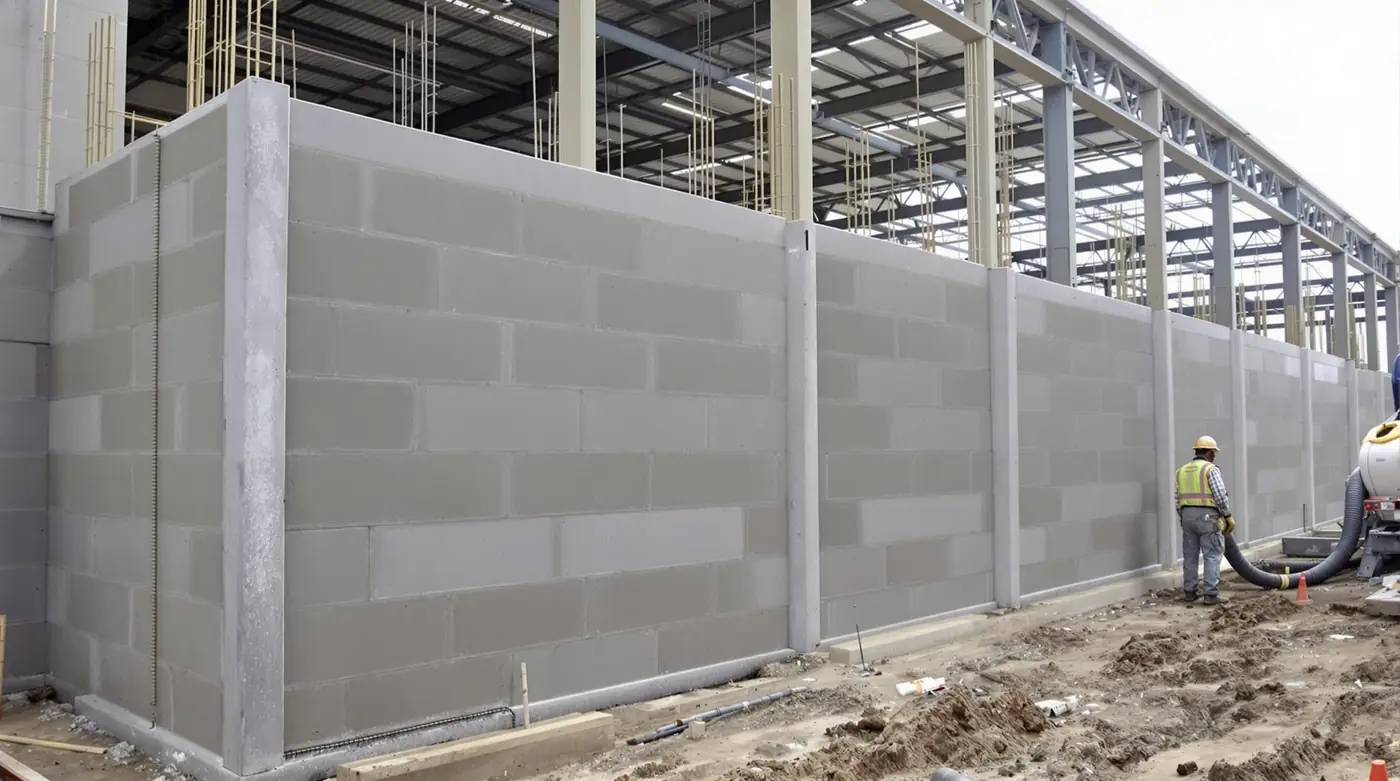
Dock Foundations
Dock-high walls, leveler pits, and truck well construction for KC warehouse and distribution facilities.
Get a Quote on Your Equipment Pad Project
Send us the equipment specs, manufacturer installation manual, and site location. We return a detailed pad design and quote within 5 business days.