Dock Foundation Contractors in Kansas City
Dock-high walls, leveler pits, and truck well construction for Kansas City's warehouse and distribution corridor — precision concrete for the logistics hub of the Midwest.
Why Does Kansas City Need So Many Dock-High Foundations?
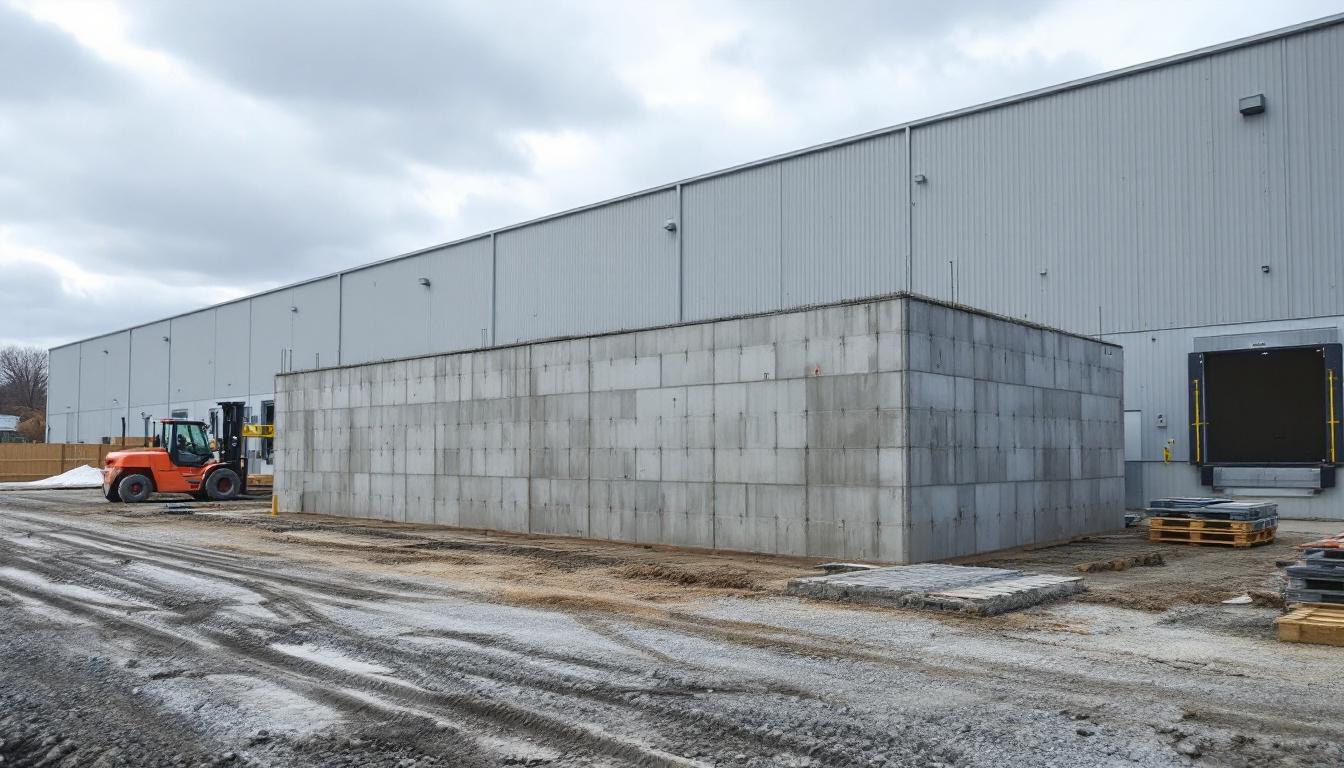
Kansas City sits at the crossroads of three major freight corridors — I-70 running east-west, I-35 running north-south, and Hwy 71 connecting to the southeast. This intersection makes the KC metro one of the largest inland logistics hubs in the United States, with more than 100 million square feet of warehouse and distribution space and hundreds of new dock positions constructed every year. Every one of those warehouses needs dock-high foundations — the reinforced concrete wall systems that raise the building floor to semi-trailer bed height so forklifts can drive directly between the warehouse and the trailer for loading and unloading.
A dock-high foundation is not a simple wall. The standard dock height of 48 to 52 inches matches the bed height of a loaded semi-trailer, and the tolerance for that wall elevation is measured in fractions of an inch. Each dock position includes a precision-formed leveler pit — a recess in the dock face that houses the mechanical or hydraulic dock leveler bridging the gap between the warehouse floor and the trailer bed. The pit must match the leveler manufacturer's specifications exactly for width, depth, lip extension, embed plate locations, and drain connections. When pit dimensions are off, the leveler does not fit, and the resulting field modification delays the project and compromises the leveler's performance for the life of the building.
The scale of KC's logistics demand means dock foundation contractors in this market must be equipped for multi-position projects — 8, 12, 20, even 40 dock positions on a single distribution center. Kansas City Concrete Contractors builds dock foundations across the metro's warehouse corridors, from the I-35 industrial zone in Olathe and Lenexa to the I-70 logistics parks across the metro and out to Liberty. Call (816) 339-8133 with your dock layout drawings for a detailed bid.
What Goes Wrong When Dock Foundations Are Built Without Precision?
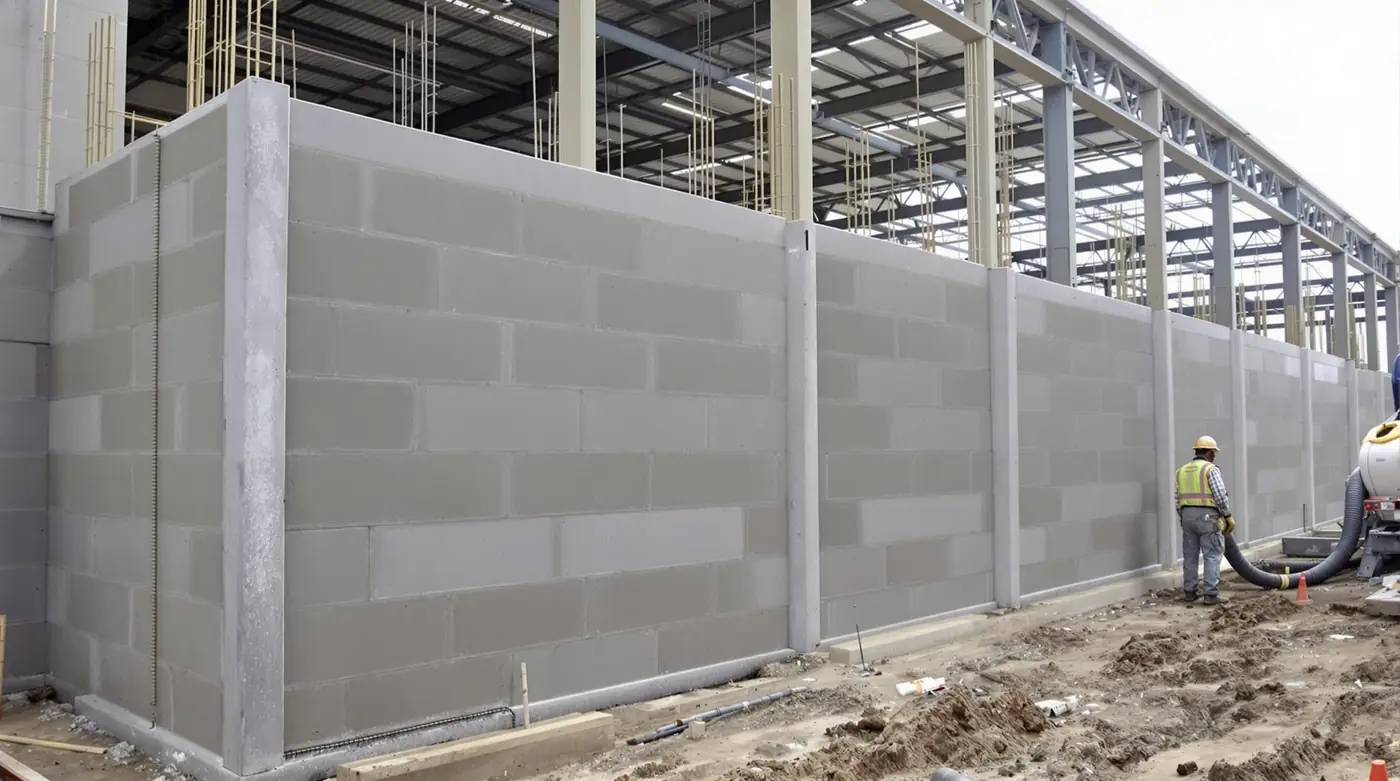
A dock-high wall that is off by half an inch means dock levelers cannot bridge to trailer beds properly. Forklifts encounter transition bumps that damage product and equipment, and the entire loading operation loses efficiency that compounds across thousands of daily loads. Leveler pits formed to incorrect dimensions require expensive field modifications — or replacement of the leveler unit entirely. Embed plates that miss their target location by a quarter inch mean the mechanical contractor is drilling new holes on site instead of dropping the leveler into a pit that was built for it.
Truck wells without adequate drainage flood during KC's spring storms, shutting down dock operations and damaging trailers and product at the dock face. Dock walls built on Wymore CH clay without proper subgrade preparation settle differentially along the dock face, creating leveler alignment problems that mechanical equipment cannot compensate for. The structural connection between the dock wall and the building frame — embed plates, dowels, and lintels — must transfer loads cleanly or the dock wall separates from the building over time.
Building a Warehouse or Distribution Center? Your Dock Foundations Start Here.
Send your dock layout drawings. Detailed line-item bid returned within 5 business days.
What Are the Components of a Dock-High Foundation System?
Most people know what a loading dock looks like from the outside. Here is what goes into the concrete foundation system that makes it work.
Dock-High Walls
Reinforced concrete walls that raise the warehouse floor to semi-trailer bed height — 48 to 52 inches above the truck approach surface. The dock wall carries the building wall above, the slab-on-grade behind, and dynamic forklift loads at the dock edge. Wall thickness, reinforcement, and footing design are sized for the specific structural loads at each position.
Standard height: 48-52 inches. Reinforced concrete, air-entrained at 4,500-5,000 psi for KC freeze-thaw. Structural connection to building frame above and slab-on-grade behind.
Leveler Pits
Precision-formed recesses in the dock face that house the mechanical or hydraulic dock leveler. Each pit is formed from the leveler manufacturer's shop drawings with template-set embed plates, drain connections, and lip recesses at the exact dimensions the leveler mechanism requires. Typical pits run 6 to 8 feet wide and 8 to 10 feet deep.
Typical dimensions: 6-8 ft wide, 8-10 ft deep. Template-set embed plates at +/-1/8" tolerance. Drain connections at pit low point. Lip recess for leveler platform extension.
Truck Wells
Depressed approach ramps for buildings where the dock face sits at grade level rather than elevated. The truck well includes reinforced concrete retaining walls on both sides, a concrete approach slab at the depressed elevation, and a storm drainage system to handle the rainwater that collects in the depressed area during KC's frequent spring storms.
Depressed approach with retaining walls on both sides. Trench drain system sized for tributary area. Waterproofing membrane on all below-grade surfaces. Bumper bollards on independent foundations.
Bumper Blocks
Steel-filled concrete or rubber bumper assemblies mounted on independent foundations at each dock position. Bumper blocks absorb the impact of trailers backing into the dock face, protecting the dock wall and leveler pit from damage. Each bumper foundation is isolated from the dock wall to prevent impact forces from transmitting into the building structure.
Steel-filled concrete or rubber assemblies. Independent foundations isolated from dock wall. Absorb trailer impact loads without transmitting forces to building structure.
Connection to Building Frame
Embed plates, dowels, anchor bolts, and steel dock angles that tie the dock wall system to the building steel frame and slab-on-grade. Steel lintels span each dock door opening to transfer wall loads around the opening. The slab-on-grade terminates at the dock edge with thickened reinforcement and a steel dock angle that protects the concrete from forklift traffic.
Embed plates, dowels, anchor bolts, steel lintels, dock angles. Slab termination with thickened edge reinforcement. Structural continuity from footing through building frame.
How Do Dock Foundations Connect to the Warehouse Structure?
The dock-high wall is not a freestanding element — it is structurally integrated with the building frame above, the slab-on-grade behind, and the footing below. Vertical rebar dowels project from the dock wall footing into the wall stem, creating a monolithic connection between footing and wall. Horizontal dowels or embed plates tie the wall to the building columns at each column line, transferring lateral loads from wind and seismic forces through the dock wall into the foundation system.
At each dock door position, a steel lintel or reinforced concrete header spans the opening, transferring the wall load above the door to the dock walls on either side. The lintel bearing length and connection detail are critical — undersized bearing creates concentrated stress that cracks the dock wall at the door jambs. The slab-on-grade terminates at the dock edge with a thickened edge and additional reinforcement, topped by a steel dock angle that protects the concrete face from the constant impact of forklift traffic. The dock angle is anchored to the concrete with expansion bolts or cast-in-place anchors at 12 to 18 inch spacing.
Below grade, all dock wall surfaces in the truck well receive waterproofing membrane — spray-applied or sheet membrane depending on the project specification — to prevent moisture infiltration from the truck well into the warehouse space. Drain connections from each leveler pit are routed through the dock wall to the building's storm drainage system, preventing dock seal leakage from accumulating in the pit and damaging the leveler mechanism. Kansas City Concrete Contractors pours dock walls, leveler pits, and the connecting slab edge as an integrated system because the connections between these elements determine whether the dock performs correctly under daily truck traffic.
- Dock Wall Height
- Standard: 48–52 inches
- Leveler Pit Dimensions
- Width: 6–8 feet
- Depth: 8–10 feet
- Concrete Strength
- Dock walls: 4,500–5,000 psi
- Air entrained: 5–7%
- Connection Types
- Embed plates, dowels, lintels, dock angles
- Waterproofing
- All below-grade surfaces: spray or sheet membrane
Multi-Position Docks
8 to 40+ dock positions on new distribution centers along KC's I-35 and I-70 corridors. Continuous dock face pours with leveler pits at each position. Truck wells with integrated drainage.
Heavy-Duty Applications
Dock foundations designed for heavy manufacturing loads — oversized leveler pits for specialty equipment, reinforced truck approaches for loaded trailers, and vibration-isolated bumper systems.
Adding Docks to Existing Buildings
Saw-cut existing walls, form new leveler pits, and tie new dock walls into the existing structure. Sequenced to minimize disruption to warehouse operations on occupied buildings.
From Dock Layout to Operational Loading Positions
Six phases of dock foundation construction. Every phase verified before advancing to the next.
Dock Layout & Leveler Specs
Review dock layout drawings and dock leveler manufacturer shop drawings.
Verify wall height, number of positions, leveler pit dimensions, embed plate locations, and drain connections. Coordinate with building steel erector on column spacing and lintel requirements at dock door openings. Flag any discrepancies between the architectural dock plan and the structural foundation drawings before mobilization.
Foundation Excavation
Excavate for dock wall footings below the KC frost line at 30 to 36 inches.
On sites with Wymore CH clay, over-excavate an additional 24 to 36 inches and replace with compacted structural fill to prevent differential settlement along the dock face. Truck well excavation extends the cut to the depressed approach elevation, typically 48 to 60 inches below the finished building floor.
Dock Wall Formwork & Embeds
Set steel or heavy-gauge wood forms to the dock wall height specified on the structural drawings — typically 48 to 52 inches above the truck approach surface.
Install embed plates, anchor bolt patterns, and dowel connections per the structural details. Laser-check form alignment along the full dock face to maintain the straight line and consistent elevation that dock leveler installation requires.
Leveler Pit Forming
Form each dock leveler pit from the leveler manufacturer's shop drawings — not from generic details.
Set embed plates using metal templates fabricated to match the exact bolt pattern for the leveler model being installed. Verify pit width, depth, lip recess dimensions, and drain connection location against the shop drawings. Template-set embeds hold within plus or minus one-eighth inch during the pour, eliminating the field modifications that occur when pits are formed from generic details.
Integrated Pour
Pour dock walls, leveler pits, and dock face as a continuous integrated placement to eliminate cold joints between components.
Internal vibrators consolidate every lift to prevent honeycombing around the dense embed plates and anchor bolts in the leveler pit zones. Concrete strength is typically 4,500 to 5,000 psi air-entrained for exterior dock walls exposed to KC freeze-thaw. Cure with insulated blankets or wet cure with burlap depending on ambient conditions.
Truck Well & Waterproofing
Construct truck well retaining walls and approach slab with integrated trench drainage.
Install waterproofing membrane on all below-grade dock wall surfaces to prevent moisture infiltration into the warehouse from the truck well. Set bumper bollards on independent foundations at each dock position. Verify all leveler pit dimensions and embed locations against manufacturer shop drawings before releasing for leveler installation.
Dock Foundation Cost Ranges in Kansas City
| Component | Typical Range | Notes |
|---|---|---|
| Dock-high wall (48-52") | $50 – $150 / LF | Wall height and rebar dependent |
| Dock leveler pit (each) | $2,500 – $6,000 | Pit size and leveler model dependent |
| Truck well (retaining walls + approach) | $200 – $500 / LF | Depth and drainage scope dependent |
| Waterproofing (below grade) | $5 – $12 / SF | Spray-applied or sheet membrane |
| Bumper bollards (per pair) | $800 – $1,500 | Independent foundations, steel-filled |
Dock foundation costs depend on the number of dock positions, wall height, leveler type, and whether a truck well is required. A 10-position dock with truck well typically runs $80,000 to $200,000 for the concrete scope in the Kansas City metro. Call (816) 339-8133 with your dock layout drawings for a detailed, line-item bid.
What Kansas City GCs and Developers Ask About Dock Foundations
What is a dock-high foundation?
How are dock leveler pits formed?
What is a truck well and when is it needed?
How do dock foundations connect to the building frame?
Can you add dock doors to an existing warehouse?
How much do dock foundations cost in Kansas City?
Dock Foundation Work Across the Kansas City Metro
Beyond Dock Foundations: Full-Scope Commercial Concrete
Warehouse & Industrial Floors
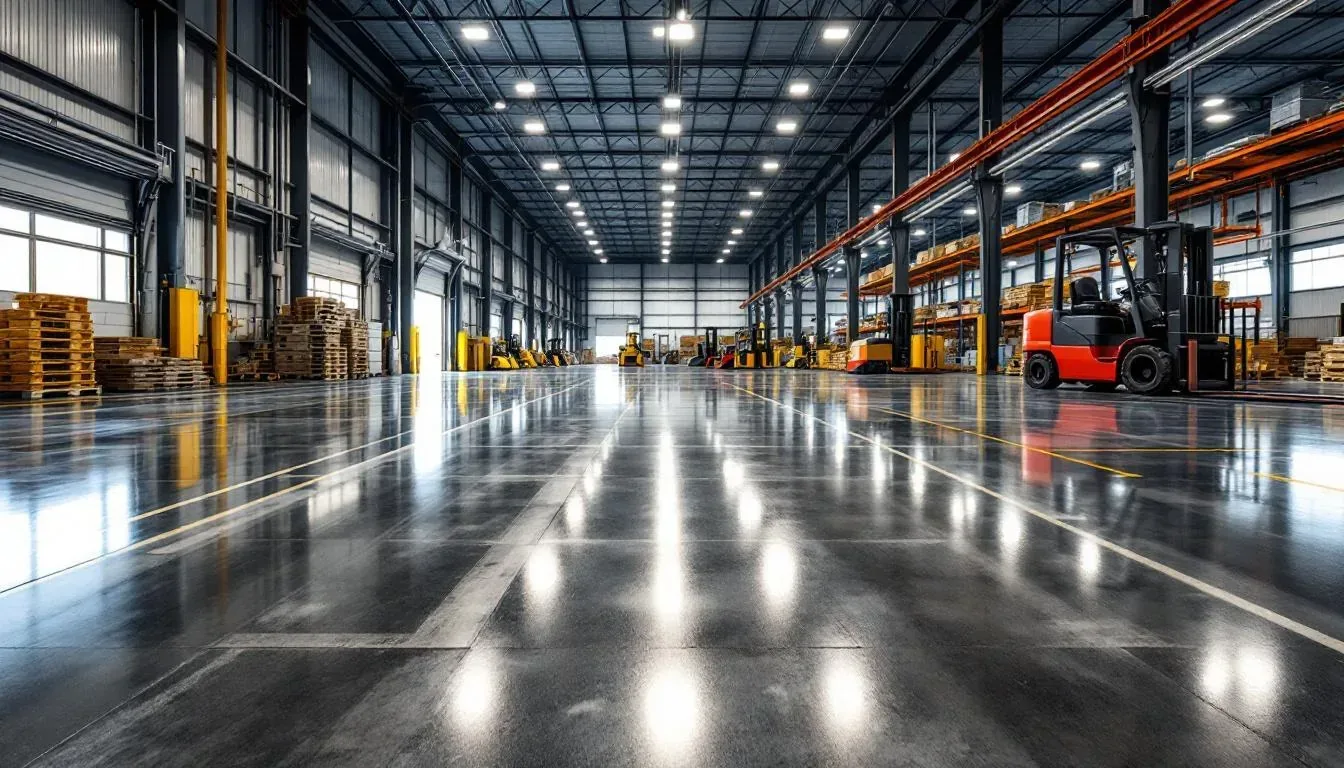
High-tolerance industrial slabs that integrate with dock foundations.
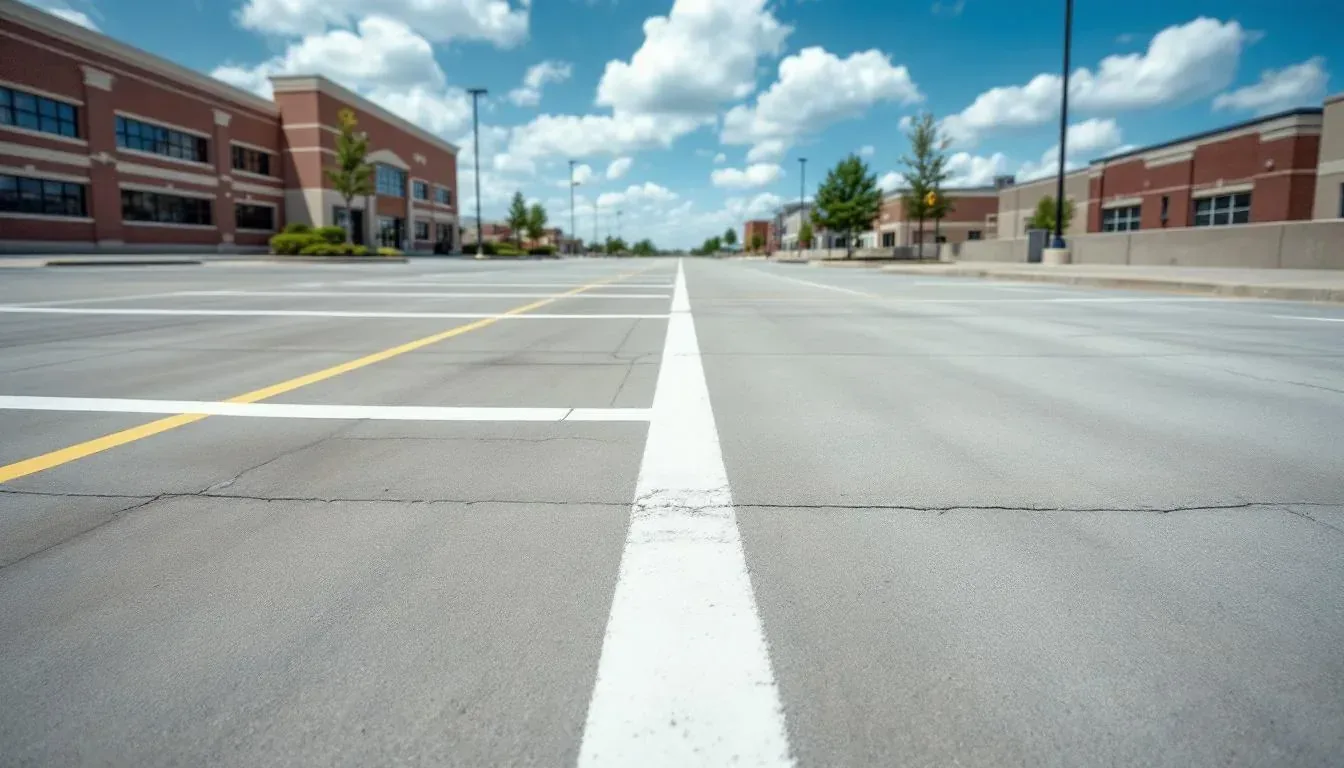
Parking Lots
Truck courts and trailer staging areas surrounding the dock positions.

Retaining Walls
Structural retaining walls for truck wells and grade changes.
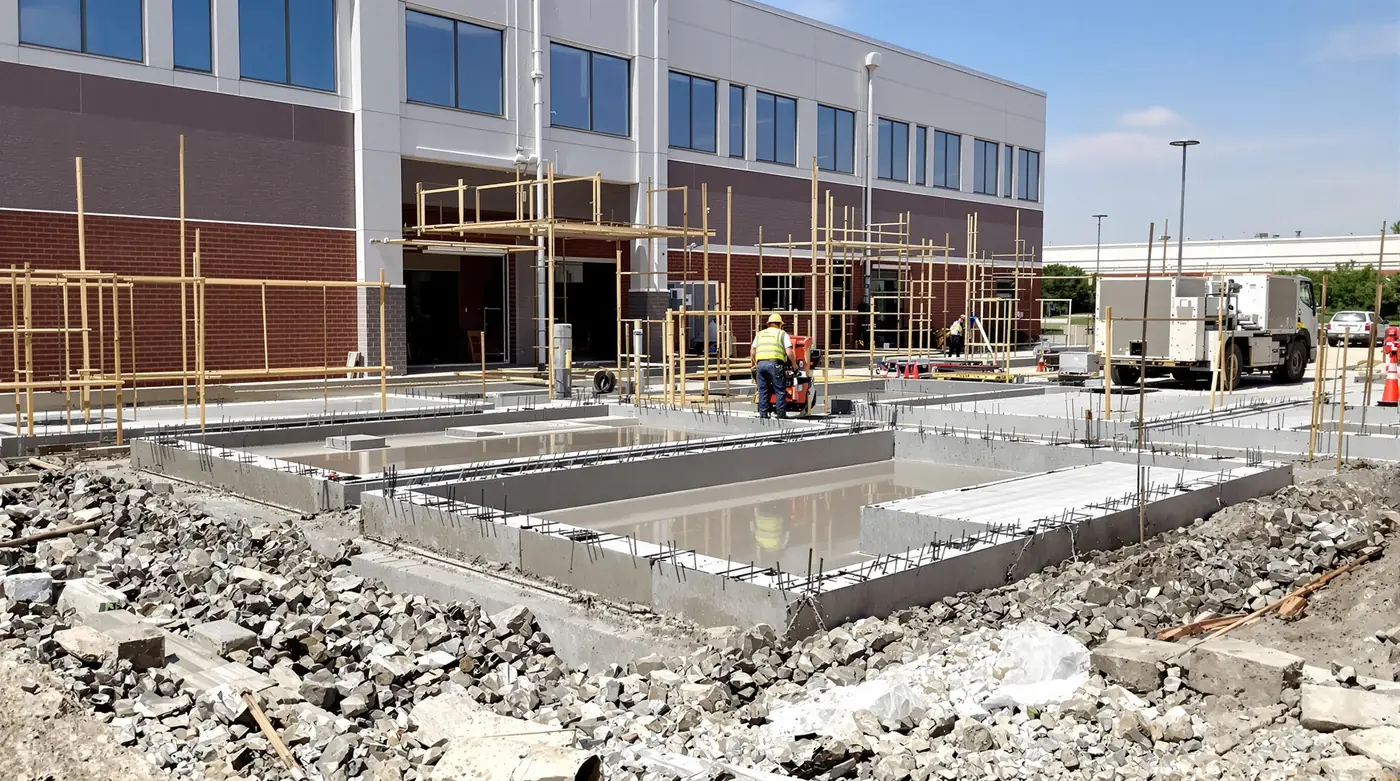
Equipment Pads
Precision pads for HVAC, generators, and dock-area equipment.
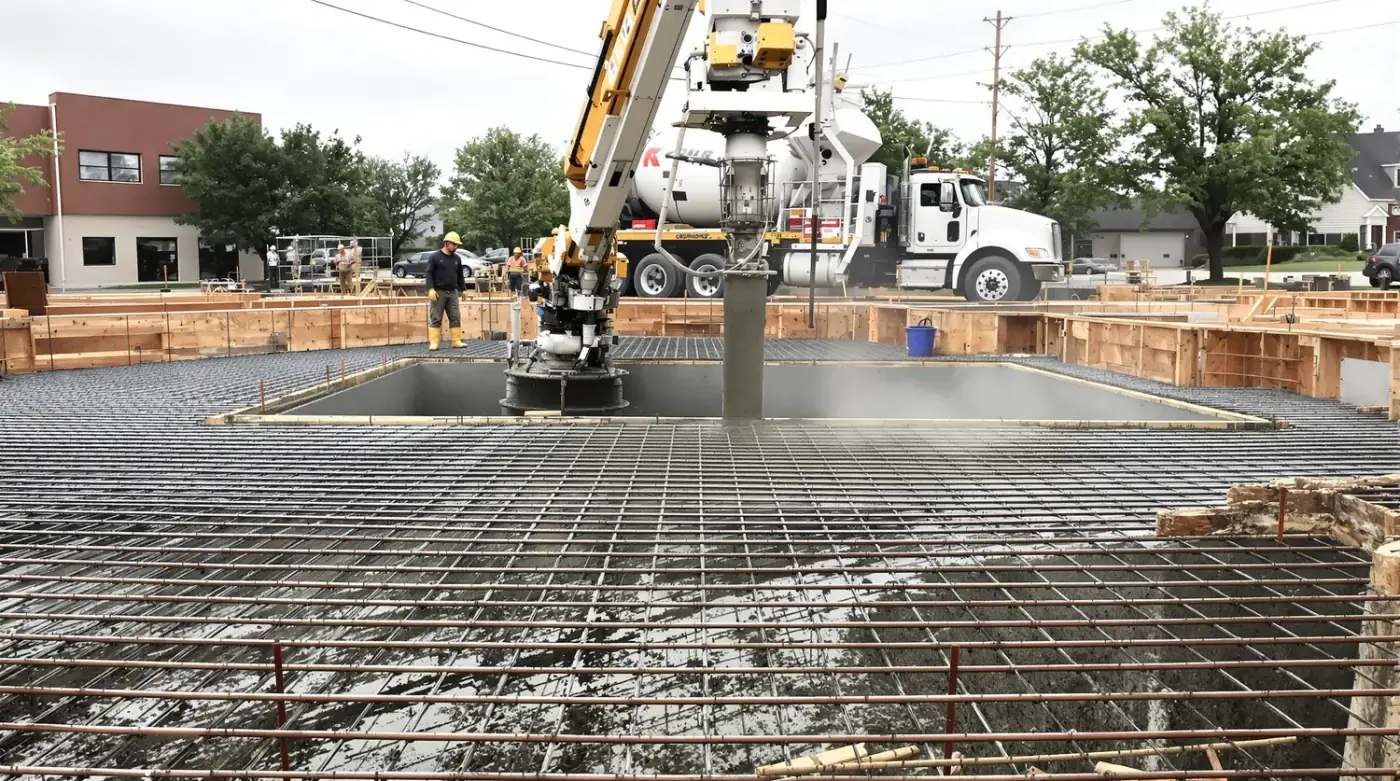
Commercial Foundations
Full commercial foundation services — spread footings, mats, grade beams.
Get a Bid on Your Dock Foundation Project
Send us your dock layout drawings, leveler manufacturer specifications, and project timeline. We return a detailed line-item bid within 5 business days that separates dock wall construction, leveler pit forming, truck well work, waterproofing, and bumper bollards as separate line items — so your team can compare scope-for-scope against competing subcontractors. Whether you are building a new distribution center on the I-35 corridor or adding dock positions to an existing warehouse, our crew delivers the precision that dock leveler installation demands.
- ✓5-day bid turnaround on complete dock drawings
- ✓Leveler pits formed to manufacturer shop drawings
- ✓Template-set embeds at ±1/8" tolerance
- ✓Licensed in Missouri and Kansas
Start Your Dock Foundation Bid
Click below to open the bid request form. Provide the project address, building type, number of dock positions, and any dock layout or leveler specification drawings you have available. We respond within one business day to confirm receipt and request any additional information needed for a complete bid.