
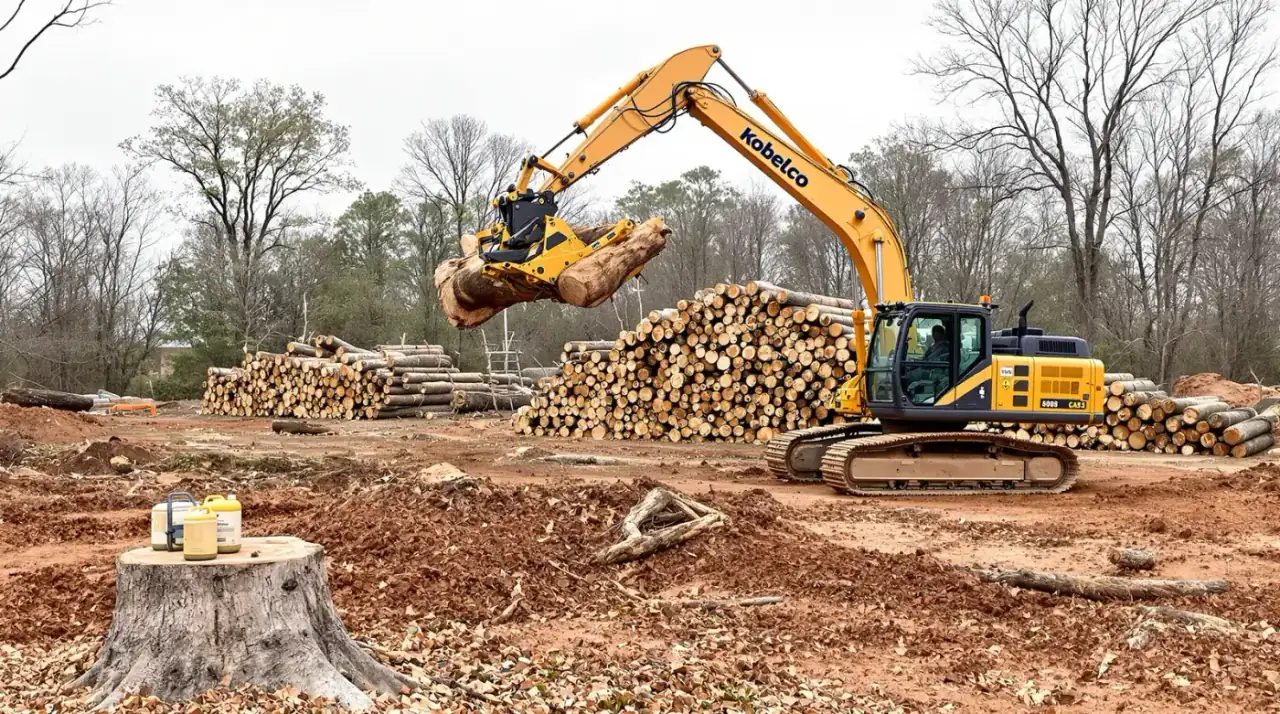
Land Clearing Contractor in Kansas City
Full clearing and grubbing, topsoil strip and stockpile, sorted debris haul-off, and erosion control installed before the first tree comes down — for residential lots and commercial sites across the KC metro.
Why Half-Done Land Clearing Costs You More Than Doing It Right the First Time
The clearing contractor knocked the trees down, ground the surface stumps, and pushed the brush into a pile at the corner of the lot. They called it done and sent the bill. Now the foundation crew shows up and finds root systems still intact 18 inches below grade in the slab area. The grader hits soft spots where stump voids left soil that cannot compact. Topsoil and subsoil got mixed when the dozer pushed everything together in one pass — the organic pile that was supposed to be stockpiled clean is now contaminated and unusable for landscaping. The erosion control was never installed, and there is already a sediment complaint from the neighbor downhill. The "cleared" lot needs a full week of correction work before anything else can happen, and every day of delay is a day the construction loan is accruing interest.
Half-done clearing creates problems that cascade through every phase of the project. Stumps left in place decompose over 5 to 10 years in KC's dense clay, creating voids that show up as settlement cracks in slabs and driveways long after the original contractor is gone. Root balls in fill zones prevent proper compaction and create weak spots under the building pad — weak spots that pass a nuclear density gauge test because the test area is small, but that deflect under proof rolling with a loaded truck. Topsoil mixed with subsoil cannot be reused for landscaping or the seeding required for NPDES permit closeout, so you end up importing replacement topsoil at $30 to $45 per cubic yard for material the contractor was supposed to stockpile clean. Debris piles that were never hauled off become someone else's job.
Kansas City Concrete Contractors clears land as the first phase of a contract that includes the grading, excavation, and concrete construction that follows. We clear it the way we need it for the work that comes next: stumps grubbed to 12 inches below finish grade in slab areas, root systems extracted, topsoil stripped and stockpiled separately, debris hauled to the right KC disposal facilities, and erosion control installed before the first tree comes down. We do it once, we do it correctly, and the next phase starts on time on a lot that is actually ready for it. Check our full sitework services to see how clearing fits into the complete project sequence.
What Does Full-Scope Land Clearing in Kansas City Actually Include?
Land clearing on a construction project runs through four sequential phases. Each phase directly enables the next, and shortcuts in any phase create problems that compound through all the phases that follow. The first phase — erosion and sediment control — happens before any vegetation is disturbed. Silt fence is installed along the entire downslope perimeter of the disturbance area. A stone construction entrance (typically 50 feet by 12 feet minimum, on geotextile fabric, with 3-inch clean stone) goes in at the access point. Inlet protection is installed on every storm drain that could receive site runoff. This is a permit requirement — both NPDES (at 1 acre) and most KC city grading permits require these BMPs to be in place before any other disturbance begins. We install them first on every job, not because inspectors check, but because a sediment complaint to MoDNR or KDHE can result in stop-work orders within 48 hours.
Vegetation removal is the visible phase — felling trees, removing brush and undergrowth, clearing the site to ground level. Trees near structures or property lines are felled in controlled directions using mechanical rigging, not simply pushed over with a dozer. Brush and undergrowth are cleared across the entire disturbance footprint shown on the plan. On selective clearing scopes, individual trees being preserved are ringed with construction fencing at the drip line before any equipment moves near them — root zone damage from compaction is as lethal as a chainsaw for mature trees, and it takes 2 to 3 years to manifest. Cleared material is staged for haul-off. We do not burn: most KC jurisdictions require permits with longer lead times than the project schedule allows, and the smoke complaints are a liability in urban and suburban areas.
Grubbing is where most clearing contractors cut corners, and where the problems that surface 5 years later get planted. Grubbing means physically removing stumps, root balls, and all root systems larger than about 2 inches in diameter from the disturbance area. Surface stump grinding alone is not sufficient for construction sites — it grinds the stump to grade but leaves the entire root system in place. In KC's Wymore-Ladoga clay, buried organic material decomposes slowly because the dense clay limits oxygen access. A stump with a 12-inch root ball can take 8 to 12 years to fully decay, leaving a void that grows as the wood breaks down and filling with perched water. Under a concrete slab, that void produces cracking and settlement that looks like a sub-base failure but traces back to the clearing phase. We grub to a minimum of 12 inches below finish grade in any area that will receive a slab, driveway, or structural fill.
Topsoil strip and debris haul-off close the clearing phase. Topsoil — the top 6 to 8 inches of organic-rich soil with biological activity — is stripped from the entire disturbance area and stockpiled separately from subsoil. This stockpile is never mixed with subsoil, never contaminated with construction debris, and never compacted by equipment traffic. It will be reused during final landscaping and must support the permanent vegetative cover required for NPDES Notice of Termination filing. Any topsoil destroyed during clearing means purchasing replacement material at $30 to $45 per cubic yard, which adds quickly on larger sites. Wood waste goes to permitted KC mulch and biomass facilities. Concrete from any overlapping demolition work goes to crushing facilities and is recycled into aggregate. Mixed debris goes to permitted landfills, and every load is documented for the SWPPP closeout binder.
Clearing for Commercial Development vs. Residential Infill
Commercial land clearing in the Kansas City metro — particularly in the active southern Johnson County development corridor near Olathe, Gardner, and Spring Hill — often involves raw agricultural or wooded land ranging from 5 to 50 acres. These projects use full-size equipment: CAT D8 dozers with root rakes, CAT 320 and 330 excavators with grapple attachments, and haul trailers for bulk wood transport. Production rates on open acreage with good access can reach 1 to 3 acres per day for light to medium density. Residential infill clearing in established KC neighborhoods is the opposite: compact lots of 0.1 to 0.5 acre with minimal access clearance, neighboring structures within feet of the property line, and the need for controlled felling rather than dozer-push removal. Mini excavators, skid steers that fit through standard fence gates, and bucket attachments rather than rakes are the right tools. We bid each site based on actual conditions — not a per-acre rate applied regardless of what is actually on the ground.
Your Land Clearing Project in 4 Steps
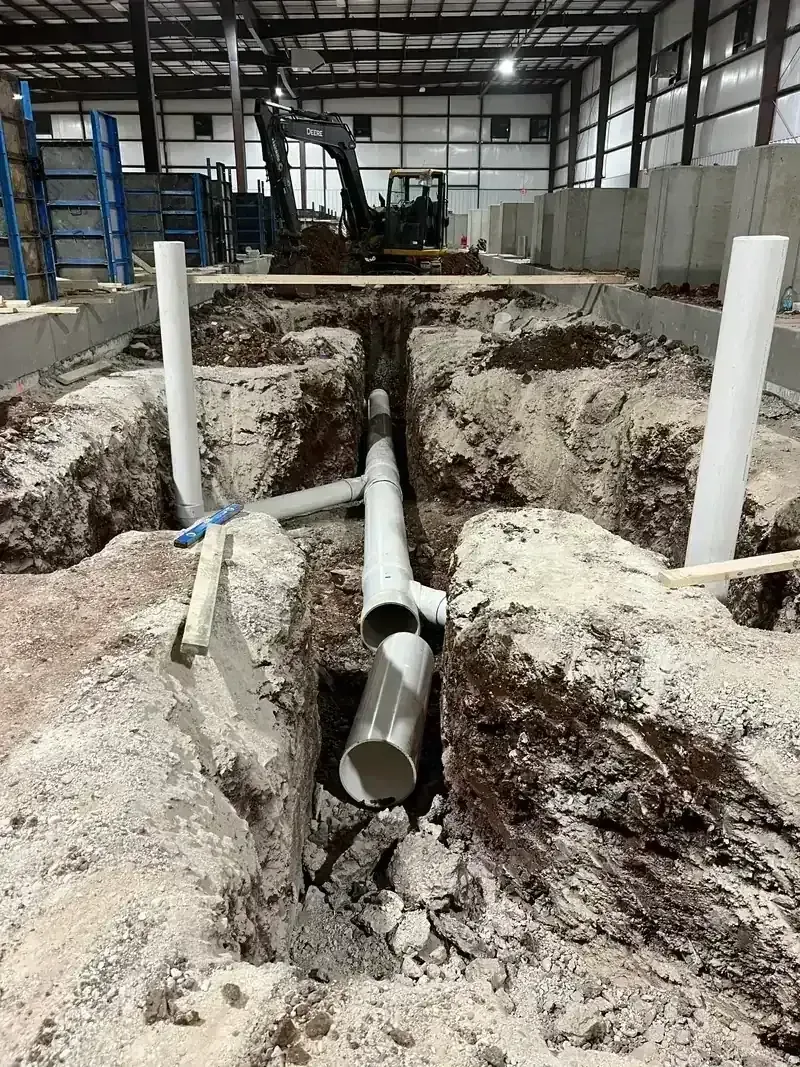
Free Consultation
We visit your property, discuss your vision, and provide a detailed estimate with no obligation. Every question answered up front.
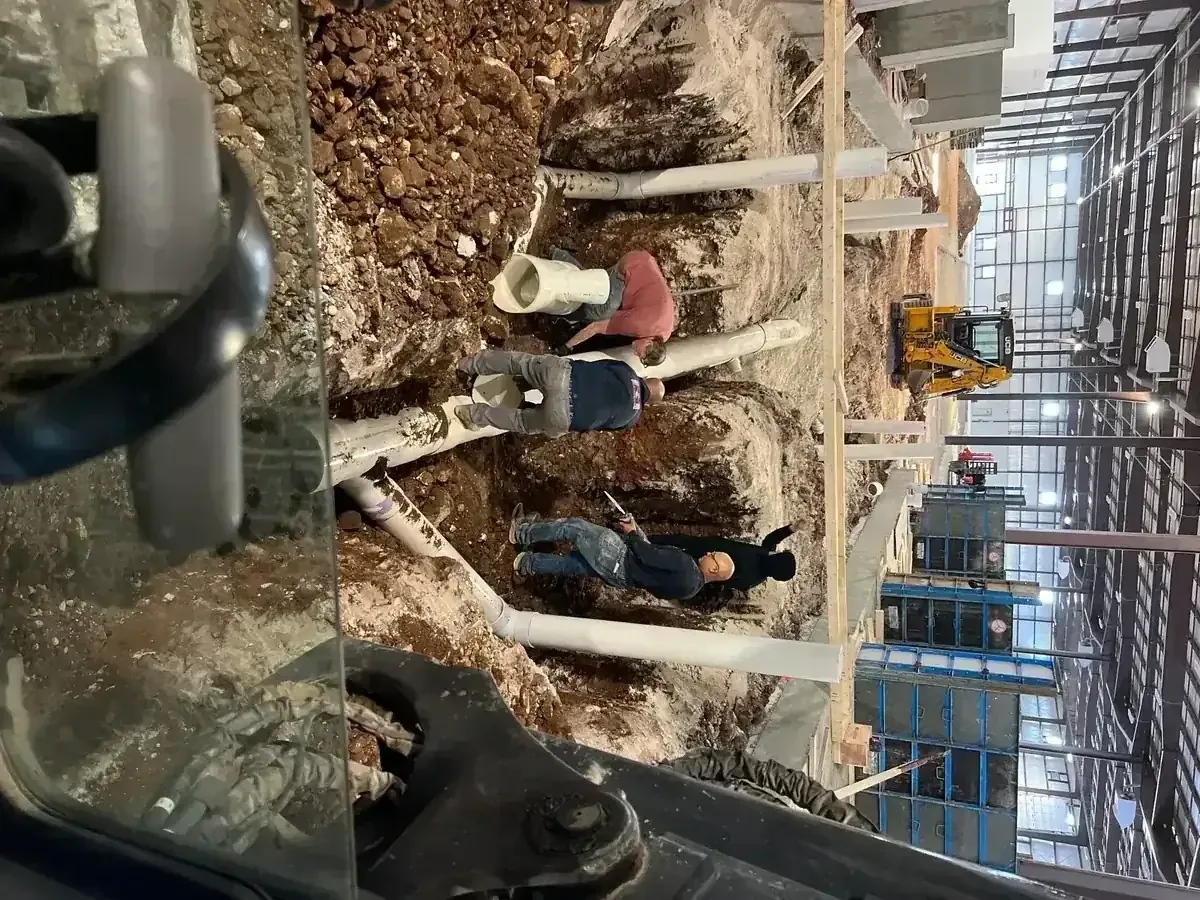
Design & Planning
Choose your materials, finish, and layout. We create a plan tailored to your property and KC's soil and climate conditions.
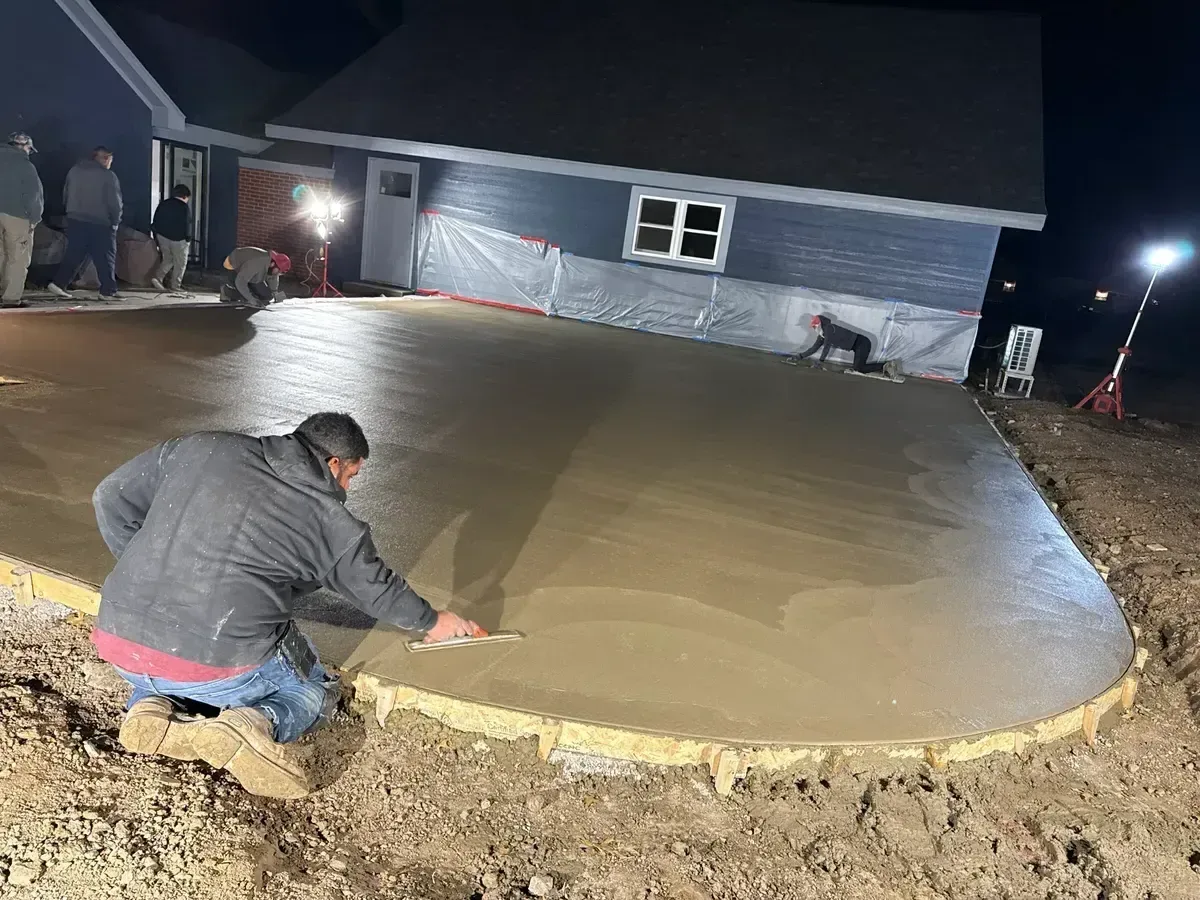
Professional Installation
Our crew preps the site, pours, and finishes your concrete with precision. Most residential projects wrap in 1-4 days.
Final Walkthrough
We inspect every inch with you. Sealant applied where needed. We don't leave until you're completely satisfied with the result.
Why Choose Kansas City Concrete Contractors for Land Clearing
Trees, Brush & Full Vegetation Removal
Selective tree removal or full clearing on raw land. Residential infill lots in established KC neighborhoods, commercial development acreage in southern Olathe — sized equipment for each site.
Stump Grinding & Deep Grubbing
Stumps ground to grade is not enough for a construction site. We grub root balls and major root systems to 12 inches below finish grade in slab areas — because KC clay preserves buried roots for years and the voids they leave cause settlement.
Sorted & Documented Haul-Off
Wood waste to KC mulch facilities, clean concrete debris to crushers, mixed construction debris to permitted landfills, metal to recyclers. Every load tracked and documented for the project SWPPP records.
Topsoil Strip & Separate Stockpile
The top 6–8 inches of organic topsoil is stripped first and stockpiled separately from subsoil — never mixed. It stays clean for reuse during final landscaping and NPDES seeding requirements.
Erosion Control Before Clearing Begins
Construction entrance, perimeter silt fence, and inlet protection are installed before the first tree comes down. The NPDES permit requires it, every KC city grading permit requires it, and skipping it creates violations that can halt the project.
Residential Lots to Commercial Acreage
Compact equipment (mini excavators, skid steers with 7-foot gate clearance) for infill lots in tight Brookside or Westport neighborhoods. Full equipment lineup for 50-acre commercial sites in south Olathe near the Panasonic EV corridor.
What Our Customers Say
"Our Liberty build site had 30 mature hardwoods and an old outbuilding to come down before grading could start. The crew knocked it out in three days, hauled every piece off, and left the lot ready. No debris piles, no surprises for the foundation crew."
— Eric N., Liberty, MO
"Cleared a half-acre infill lot in Brookside that two other companies declined because of the access and the neighboring properties. They brought compact equipment and got it done without so much as scratching either fence line. Impressive work in a tight space."
— Linda P., Kansas City, MO
"They cleared, grubbed, graded, and poured the foundation for our new home in Lawrence as one continuous project under one contract. Saved us close to a month of calendar time compared to hiring separate clearing, grading, and concrete contractors."
— Carter J., Lawrence, KS
How Much Does Land Clearing Cost in Kansas City?
| Density / Scope | Cost / Acre | Notes |
|---|---|---|
| Light (brush, scattered trees) | $1,500–3,500 | Open lots, minimal stumps, accessible site |
| Medium (mixed mature trees) | $3,500–6,500 | Suburban lots with stump grubbing and standard haul-off |
| Heavy (dense hardwood) | $6,500–12,000+ | Large hardwoods, deep root systems, high debris volume |
| Infill Lot / Tight Access | $2,500–8,000 | Compact equipment, controlled felling, access premium |
| Stump Grinding (per stump) | $75–200 | Standalone grinding by trunk diameter; deep grubbing quoted separately |
Per-acre rates include erosion control installation, grubbing to 12" below finish grade in slab areas, topsoil strip, and standard haul-off to KC disposal facilities. Special disposal (contaminated soil, asbestos-containing material, regulated debris) priced separately when encountered and documented.
Prices vary by project scope, site conditions, and finish selections. Contact us for your exact quote.
Frequently Asked Questions About Land Clearing
How much does land clearing cost per acre in Kansas City?
Light clearing — brush, scattered trees, minimal stumps, easy site access — typically runs $1,500 to $3,500 per acre in the KC metro. Medium clearing with a mix of mature hardwoods, standard stump removal, and full haul-off ranges $3,500 to $6,500 per acre — this covers the typical suburban lot or commercial development parcel with a mix of oak, elm, and hickory. Heavy clearing of densely wooded land with large-diameter hardwoods, deep root systems, and high debris volume runs $6,500 to $12,000 or more per acre. These ranges assume standard haul-off distance and normal site access. Tight access, protected species surveys, and regulated disposal requirements (asbestos in old structures, hazardous soil) add cost. Every bid we provide breaks out clearing, grubbing, topsoil strip, and haul-off as separate line items so you can see exactly what you are paying for.
What is the difference between clearing and grubbing?
Clearing removes visible vegetation — trees, brush, and undergrowth — at or near ground level. Grubbing is the deeper operation: removing stumps, root balls, and major lateral root systems below the surface to a depth that allows the next phase to compact properly. Grubbing matters especially in KC clay because Wymore-Ladoga clay is dense and anaerobic below the top foot, which means buried roots decompose slowly — often taking 5–10 years. Stumps and root masses left at or below finish grade create voids that fill with water and air, settle under loaded slabs, and produce cracks and depressions in concrete and asphalt years after construction. On every commercial clearing scope we deliver, grubbing to a minimum of 12 inches below finish grade in slab areas is standard — not an add-on. Residential lots get the same treatment in any area that will receive a slab, driveway, or walkway.
Do I need a permit to clear trees in Kansas City?
It depends on the jurisdiction and the site. KCMO and several Johnson County municipalities have tree preservation ordinances that regulate removal of trees above a certain caliper (typically 8 to 12 inches diameter at breast height in protected zones). Any disturbance over 1 acre triggers federal NPDES requirements and requires a SWPPP with erosion control in place before clearing begins. Wetland or floodplain areas can trigger Army Corps of Engineers Section 404 permits, which require delineation and may prohibit or restrict clearing. City grading permits in Overland Park, Olathe, and Lee's Summit are required before any ground disturbance over their thresholds, which effectively cover most clearing operations. We evaluate the permit requirements for your specific site and jurisdiction during the bid phase and coordinate every required approval — including city tree permits — as part of the clearing contract.
When is the best time of year for land clearing in Kansas City?
Late fall through winter is often the most efficient clearing window in Kansas City. From roughly November through February, leaves are off deciduous trees (improving visibility for felling), KC's bird nesting season protections are not in effect (many protected sites restrict clearing from April through August), and ground conditions in dry cold winters reduce equipment rutting on the site. The downside is that very cold weather can make haul-off facilities operate on reduced schedules. Late summer (August–September) is also a strong window — ground is firmer, rain is lighter, and the soil conditions for the grading phase that follows are excellent. The worst clearing window is late spring: high rainfall, soft ground, and nesting season restrictions can all combine to slow production. That said, we clear year-round — the timing affects cost and production rate, not capability.
What happens to the cleared material?
Wood waste — tree trunks, brush, stumps — is hauled to permitted KC mulch and biomass facilities where it is ground into landscape mulch or biomass fuel. No open burning: KCMO and most metro cities either prohibit it or require permits with timelines longer than most project schedules. Any concrete or structural debris from overlapping demolition work goes to KC crushing facilities and is recycled into base aggregate. Mixed construction debris (metal, plastic, miscellaneous) goes to permitted landfills. Topsoil is stripped and stockpiled separately on site for reuse during final landscaping and permanent seeding — maintaining 70% vegetative cover for NPDES closeout. Every haul load is tracked and documented in the project SWPPP records. At project closeout, the disposal documentation goes into the owner's closeout binder.
Can you clear lots with limited access in established neighborhoods?
Yes — limited access is a specialty, not an obstacle. Established KC neighborhoods like Brookside, Westport, Waldo, and Prairie Village often have infill lots where the clearance between existing structures and property lines is 8 to 12 feet or less. We bring compact equipment: mini excavators with 5- to 6-foot swing radius, skid steers that fit through 7-foot gate openings, and grapple attachments that handle brush and log loads without needing to push material across neighbor's property. Trees near structures or property lines get felled in controlled directions using rigging techniques, not just pushed over with a dozer. The trade-off is slower production compared to a wide-open suburban site, and we account for the access constraint explicitly in the bid.
Why does clearing need to happen before NPDES erosion control, and what if the site is under 1 acre?
The NPDES permit (triggered at 1 acre of ground disturbance) requires erosion control BMPs to be installed before any other site disturbance begins — which means the construction entrance and perimeter silt fence must be in place before the first tree comes down. The erosion and sediment controls protect the disturbance area from the very first moment earth is exposed. Sites under 1 acre do not trigger NPDES but most KC city grading permits require a basic erosion control plan regardless of size, and many jurisdictions use local ordinances to regulate sites under the NPDES threshold. On every clearing scope we deliver — NPDES-triggered or not — we install the construction entrance and perimeter controls first. The cost of a silt fence is trivial; the cost of a state or city enforcement action is not.
Other Concrete Services We Offer in Kansas City
Concrete Driveways
New installation, replacement, and repair for residential and commercial driveways.
Concrete Patios
Custom patios and outdoor living spaces — standard, stamped, or decorative finishes.
Stamped Concrete
Decorative stamped patterns that replicate stone, brick, slate, and wood at a fraction of the cost.
Stained & Colored Concrete
Acid stain, water-based stain, and integral color for interior and exterior surfaces.
Concrete Overlays & Resurfacing
Refresh existing concrete without full tear-out — new surface, new look, lower cost.
Pool Decks
Slip-resistant, heat-reflective concrete surfaces surrounding pools — safe and beautiful.
Pool Installation
Full-service fiberglass and concrete pool installation — from excavation through decking
Sidewalks & Walkways
New sidewalks, walkway installation, and trip-hazard repair for residential and commercial properties.
Retaining Walls
Concrete retaining walls for erosion control, slope stabilization, and landscape structure.
Parking Lots
Commercial concrete parking lots — new construction, repair, ADA compliance, and line striping.
Warehouse & Industrial Floors
Heavy-duty concrete floors for warehouses, factories, and industrial facilities. Year-round scheduling.
Sitework & Site Preparation
Commercial excavation, grading, utility trenching, and full-scope site preparation
ADA Ramps & Compliance
ADA-compliant concrete ramps, curb cuts, and accessibility upgrades for commercial properties.
Ready to Clear Your Lot?
Call today for a free estimate. No pressure. No obligation. Just honest answers and a detailed quote within 24 hours.